210 - Urine Drug Testing Interpretation Training for Clinicians: A Case-Based Interactive Workshop
Monday, April 20, 2026
9:00 AM - 10:00 AM CT
Location: Chicago Ballroom X
Claim 1.0 CME
All relevant financial relationships have been mitigated.
Disclosure(s):
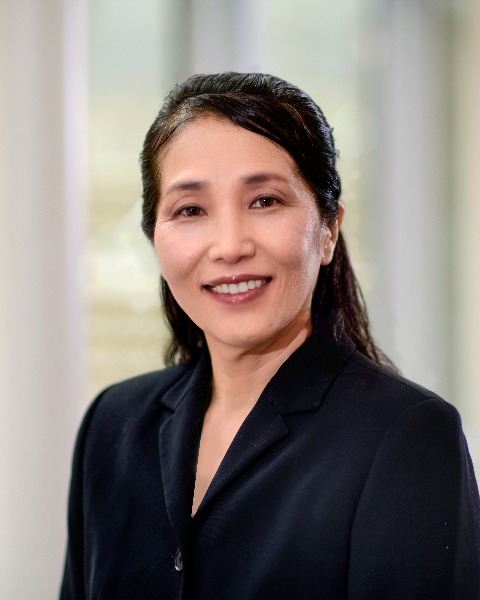
Hiroko Furo, MD, PhD, MA, MS, MSES, MRO, IME, SAP, DFASAM: No financial relationships to disclose
This interactive workshop will include small-group analyses of several real-world cases, including: discordant alcohol biomarkers (EtG positive/EtS negative), amphetamine immunoassay positivity with prescribed Adderall, neonatal barbiturate exposure, benzodiazepine false-negatives, unexplained THC/creatinine elevations, and opioid metabolite discrepancies. Participants will identify biochemical explanations, outline confirmatory steps, and role-play non-punitive communication. Attendees will receive a concise reference tool summarizing common false-positive and false-negative mechanisms to enhance accurate UDT interpretation.
Educational Gaps: This interactive workshop will include small-group analyses of several real-world cases, including: discordant alcohol biomarkers (EtG positive/EtS negative), amphetamine immunoassay positivity with prescribed Adderall, neonatal barbiturate exposure, benzodiazepine false-negatives, unexplained THC/creatinine elevations, and opioid metabolite discrepancies. Participants will identify biochemical explanations, outline confirmatory steps, and role-play non-punitive communication. Attendees will receive a concise reference tool summarizing common false-positive and false-negative mechanisms to enhance accurate UDT interpretation.
Is this session being sponsored by an ACOEM Section or Component? No
The AOHC 2026 theme is Healthy workers. Healthy world*: The 2026 AOHC theme, Healthy Workers. Healthy World., emphasizes the global responsibility of occupational medicine professionals to promote worker health, fairness, and dignity. Accurate urine drug testing (UDT) interpretation is central to this mission. When misinterpreted, UDT results can lead to serious personal and professional consequences—such as unjust job loss, denial of employment, or stigma toward individuals in recovery—thereby threatening both worker well-being and workplace integrity.
This session aligns with the conference theme by equipping occupational medicine clinicians with the scientific understanding and communication skills needed to interpret UDT results accurately and compassionately. Through interactive, case-based learning, participants will explore complex real-world scenarios involving alcohol biomarkers, amphetamine metabolism, benzodiazepine false-negatives, opioid metabolites, and other analytes. By examining biochemical explanations and confirmatory steps, attendees will learn to distinguish true positives from incidental findings and to approach each case with fairness and clinical rigor.
Beyond technical proficiency, this workshop emphasizes the human dimension of UDT interpretation—how clinicians can protect the dignity, employment, and mental health of workers while upholding safety and regulatory standards. In occupational settings, decisions informed by careful and ethical UDT interpretation contribute to a culture of trust, transparency, and rehabilitation rather than punishment.
Ultimately, this session advances the spirit of Healthy Workers. Healthy World. by promoting a more just and scientifically grounded approach to substance monitoring in the workplace. It recognizes that protecting worker health includes safeguarding against misjudgment and ensuring that clinical and administrative decisions are guided by evidence, empathy, and respect. By enhancing clinicians’ interpretive accuracy and communication competence, this session helps build workplaces that are healthier, fairer, and more humane—benefiting not only individual workers but the broader global community.